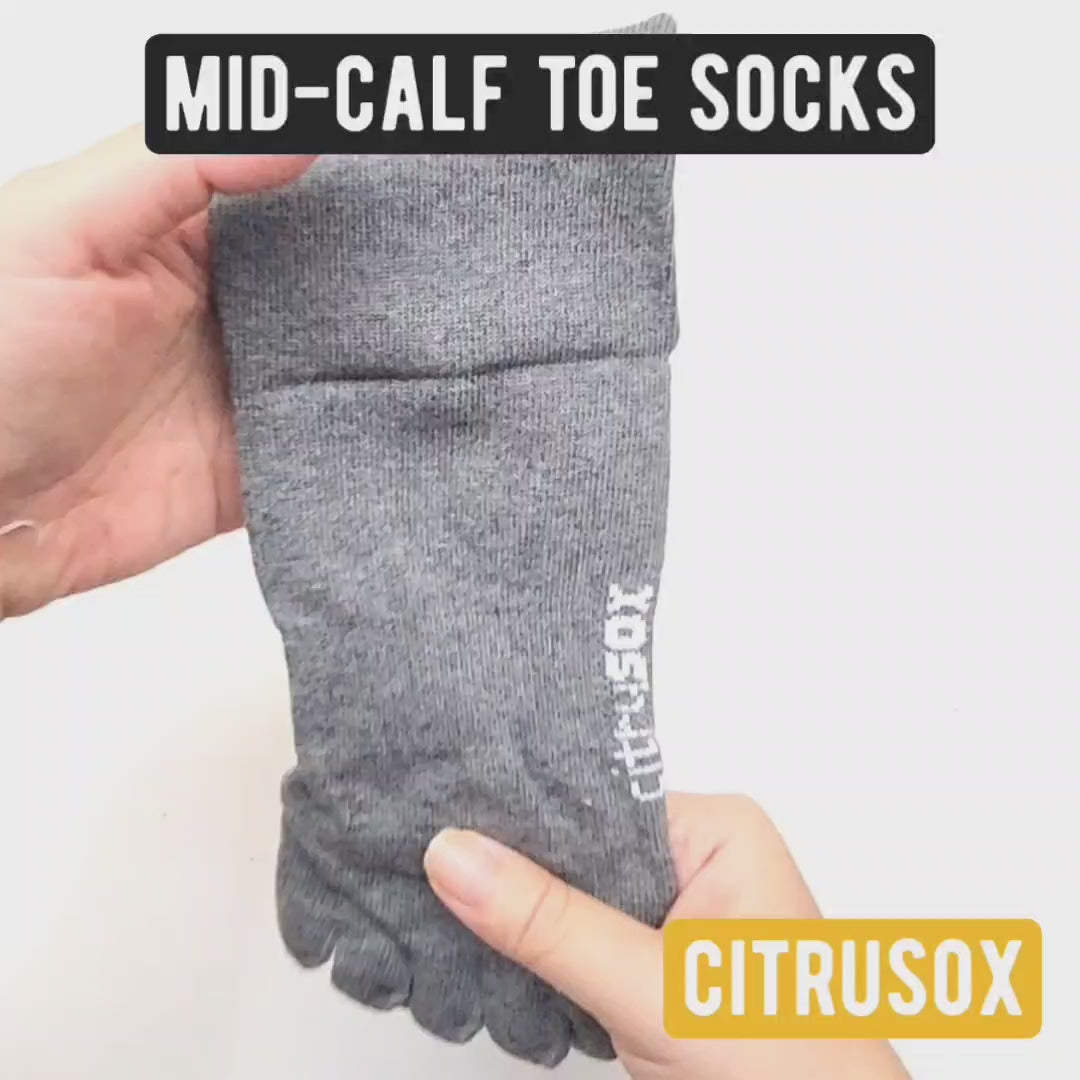


Grip Socks vs Sports Socks: Which One Fits Your Workout?

Grip socks use silicone or rubber pads on the sole to lock the foot in place inside a shoe, which helps during sharp cuts, sprints, and direction changes. Regular sports socks focus on cushioning and moisture control but do little to stop the foot sliding inside the shoe. For football, court sports, or anything involving quick lateral movement, grip socks generally outperform standard sports socks. For steady state activities like jogging or the gym floor, the difference matters less.
Foot slippage inside a shoe sounds like a minor annoyance until it costs a player a step during a sprint or leaves a blister after ninety minutes on the pitch. Citrusox has watched this become one of the more common questions from footballers and weekend athletes alike, and the answer depends less on hype and more on what the research actually shows. This piece breaks down what separates grip socks from ordinary sports socks, when the difference is worth paying for, and where it barely matters.
What Is the Difference Between Grip Socks and Sports Socks?
Sports socks are built around comfort. Cushioned soles, breathable knit, sometimes compression around the arch. What they are not built for is stopping the foot from moving inside the shoe during hard direction changes. Grip socks add silicone or rubber tread across the base of the foot, sometimes extending up the sides, so the sock grips the insole rather than sliding against it.
- Sports socks prioritize cushioning, moisture wicking, and all day comfort
- Grip socks add textured pads that increase friction between foot and insole
- Grip socks are usually thinner and lower cut than standard athletic socks
- Sports socks suit general wear; grip socks are built for lateral, high intensity movement
The tradeoff is real. Grip socks sacrifice some of the plush cushioning that makes regular sports socks comfortable for long days on your feet.
How Do Grip Socks Improve Performance in Football and Other Sports?
A study published in the Journal of Sports Sciences tested grip socks against ordinary socks using motion capture during slalom and cutting drills. Researchers concluded the grip socks tested improved agility performance across both male and female participants and could be recommended to team sports players to enhance their change of direction ability, an effect attributed to the increased friction of the sock reducing forefoot movement inside the shoe during sharp turns rather than any change in shoe to ground grip. Another version of the same research measured the friction difference directly, finding a static coefficient of friction near double that of a regular sock. Not every study agrees on the size of the effect. A separate trial using a sponsored grip sock brand found no significant improvement in change of direction speed compared to a standard sock, even though foot displacement was reduced, which suggests the performance gain is not automatic just because the sock reduces slippage.
- Reduced forefoot slippage during sharp cuts and deceleration
- Lower blister risk from less friction between skin and shoe interior
- More predictable foot placement, which some players describe as better ball feel
- Mixed evidence on whether reduced slippage always translates into faster sprint or agility times
For football specifically, where cutting and stopping happen constantly, the case for grip socks is stronger than for sports with mostly straight-line movement.
Are Grip Socks Worth It for Casual Gym and Running Sessions?
Honestly, less than football players might expect. Running is largely a forward motion sport, and most running shoes already lock the heel and midfoot well through lacing and structured uppers. Gym sessions involving weightlifting rarely stress lateral foot stability the way football or basketball do. Grip socks will not hurt in these settings, but the return on investment is smaller. A thick, well cushioned sports sock will likely serve a treadmill session or a leg day just as well, and probably feel more comfortable over a longer session.
What Should You Look for When Buying Grip Socks in Singapore?
Not all grip socks are built the same, and the tread pattern matters more than most buyers realize before their first pair wears thin. Coverage, thickness, and how the sock is cut around the ankle all affect how it performs inside a boot or trainer.
- Silicone tread coverage across the full sole, not just the heel or toe
- Compression around the arch to reduce bunching during movement
- Breathable fabric blend, since thinner socks trap less air than cushioned ones
- Low cut versus crew length depending on whether shin guards or ankle support are needed
Singapore's climate adds another variable. Heat and humidity mean moisture wicking fabric matters more here than in cooler climates, so a grip sock that skimps on breathability can feel worse after twenty minutes than the friction it solves.
Can You Wear Grip Socks with Regular Sports Shoes and Cleats?
Yes, though the fit inside the shoe matters. Cleats with a snug, structured insole tend to show the biggest benefit from grip socks since the friction pad has firm contact with the footbed. Looser trainers or shoes with removable insoles sometimes shift the grip pad around rather than locking it in place, which can undercut the effect. Some players layer a grip sock under a thin regular sock for extra cushioning, though this adds bulk that not every shoe accommodates comfortably.
What Do Athletes and Reviewers Say About Grip Socks Versus Sports Socks?
Player adoption tells its own story here. Player surveys and anecdotal reports from professionals across major leagues broadly support a real, measurable performance benefit, and grip socks have become close to standard equipment among professional players, something unlikely if the effect were purely marketing. That said, reviewer opinion is not unanimous. Some amateur players report the tighter, thinner fit of grip socks feels restrictive compared to a cushioned sports sock, particularly during long training blocks.
Local buying guides on directories like thebestinsg.com are a reasonable starting point for comparing sportswear retailers active in Singapore before settling on a pair.
Why Choose Citrusox?
Citrusox focuses specifically on performance socks built for the friction and movement demands of football and court sports, rather than treating grip technology as an afterthought on a general athletic sock. The tread placement and compression fit are designed around real cutting and sprinting mechanics, not just marketed on top of a standard sock template. For athletes training in Singapore's heat and humidity, the fabric choices are made with that climate in mind rather than borrowed from cooler market designs.
Conclusion
The gap between grip socks and regular sports socks comes down to one thing: how much lateral movement a sport demands. Football, court sports, and anything built around sharp direction changes benefit the most, backed by research showing real reductions in foot slippage inside the shoe. For steady state training like running or lifting, the case is weaker, and comfort might matter more than grip.