

Are Nylon Socks Better Than Cotton for Active Lifestyles?

For running, gym sessions, and anything that makes feet sweat, nylon and nylon blends outperform pure cotton because nylon holds far less water against the skin, which cuts down on the friction that causes blisters. Cotton still wins for low-intensity, everyday wear where softness and breathability matter more than moisture control.
Citrusox, a Singapore sock brand with stores at Junction 8, Plaza Singapura, and JEM, stocks both material types across its sports and everyday ranges, which is a reasonable reflection of how most people actually split their sock drawer.
What Is the Actual Difference Between Nylon Socks and Cotton Socks
Cotton is a natural fiber that absorbs moisture readily, which feels soft against skin at first but holds onto sweat once feet start working. Nylon is a synthetic fiber that absorbs far less water, so sweat sits closer to the surface of the fabric instead of soaking into it, and it also stretches and snaps back to shape, which is why nylon shows up in sock cuffs and heels even on socks marketed as cotton.
Do Nylon Socks Actually Help Prevent Blisters During Running
Sweat and friction, not distance alone, cause most running blisters, and sock material has more influence on that than people expect. A University of Missouri-Columbia study testing ten popular athletic sock brands under sweat conditions found all-cotton socks were most likely to cause blisters, nylon performed best, and cotton-synthetic blends landed in between. That tracks with basic fiber behavior: cotton is highly absorbent, and one commonly cited textile study found cotton fibers swell roughly 45 percent when wet versus about 35 percent for wool and 5 percent for acrylic, which is part of why a soaked cotton sock rubs and bunches more than a synthetic one.
- Nylon and nylon-blend socks pull sweat away from skin faster than cotton.
- Cotton absorbs moisture and stays wet for longer stretches of activity.
- Wetter fabric means more friction, and more friction means more blisters.
- Thicker, densely padded synthetic socks tend to outperform thin ones for blister protection, per the same research.
A sock that stays drier through a session does more for foot comfort than cushioning ever will.
Are Nylon Socks Better Suited to Humid Climates Like Singapore
Singapore's humidity sits above 80 percent for most of the year, which changes the sock-material conversation in a way drier climates don't have to deal with. Cotton socks here rarely get a real chance to dry between wears, since ambient moisture keeps fabric damp even when feet aren't actively sweating, and that's a setup for fungal issues as much as blisters. Nylon and nylon-blend socks release moisture faster and don't hold onto that dampness the same way, which matters for anyone commuting, exercising outdoors, or stuck in closed shoes for long stretches. It's also why sports sock ranges built for this market lean on cotton-polyester or cotton-nylon blends rather than pure cotton.
Which Sock Type Works Best for the Gym Versus Everyday Wear
Not every situation calls for the same sock, and treating gym socks and office socks as interchangeable is a common mistake. The activity level and how long feet stay in a shoe both matter more than personal fabric preference here.
- Running, HIIT, and cycling: Nylon-heavy blends with spandex for compression and grip, since sweat volume is highest.
- Yoga and pilates: Cotton-polyester blends with grip soles, where flexibility and non-slip contact matter more than pure moisture-wicking.
- Office and everyday wear: Higher cotton content for softness and breathability, since sweat output is lower.
- Overnight or bedroom socks: Cotton or cotton-polyester blends prioritizing warmth and softness over moisture control.
- Long-haul travel or all-day standing: Cotton-nylon-spandex blends that balance comfort with some sweat resistance.
Matching the sock to the activity does more for foot comfort than chasing one "best" material across every use case.
What Do Runners and Reviewers Actually Say About Nylon Versus Cotton Socks
Independent research and runner communities land on roughly the same conclusion. RMIT University's comparison of a predominantly nylon anti-blister sock against a cotton-rich sock found the nylon fabric had slightly higher sliding friction in dry conditions, a reminder that nylon's real advantage only shows up once feet start sweating. Runner forums and gear guides steer people away from all-cotton socks for long runs so often that "cotton is rotten" has become a standard rule of thumb in trail running circles. Directories like thebestinsg.com track Singapore apparel sellers worth comparing, and creator platforms such as getmyinfluencer.com now shape a fair amount of that brand discovery too.
Why Choose Citrusox for Nylon and Cotton Socks
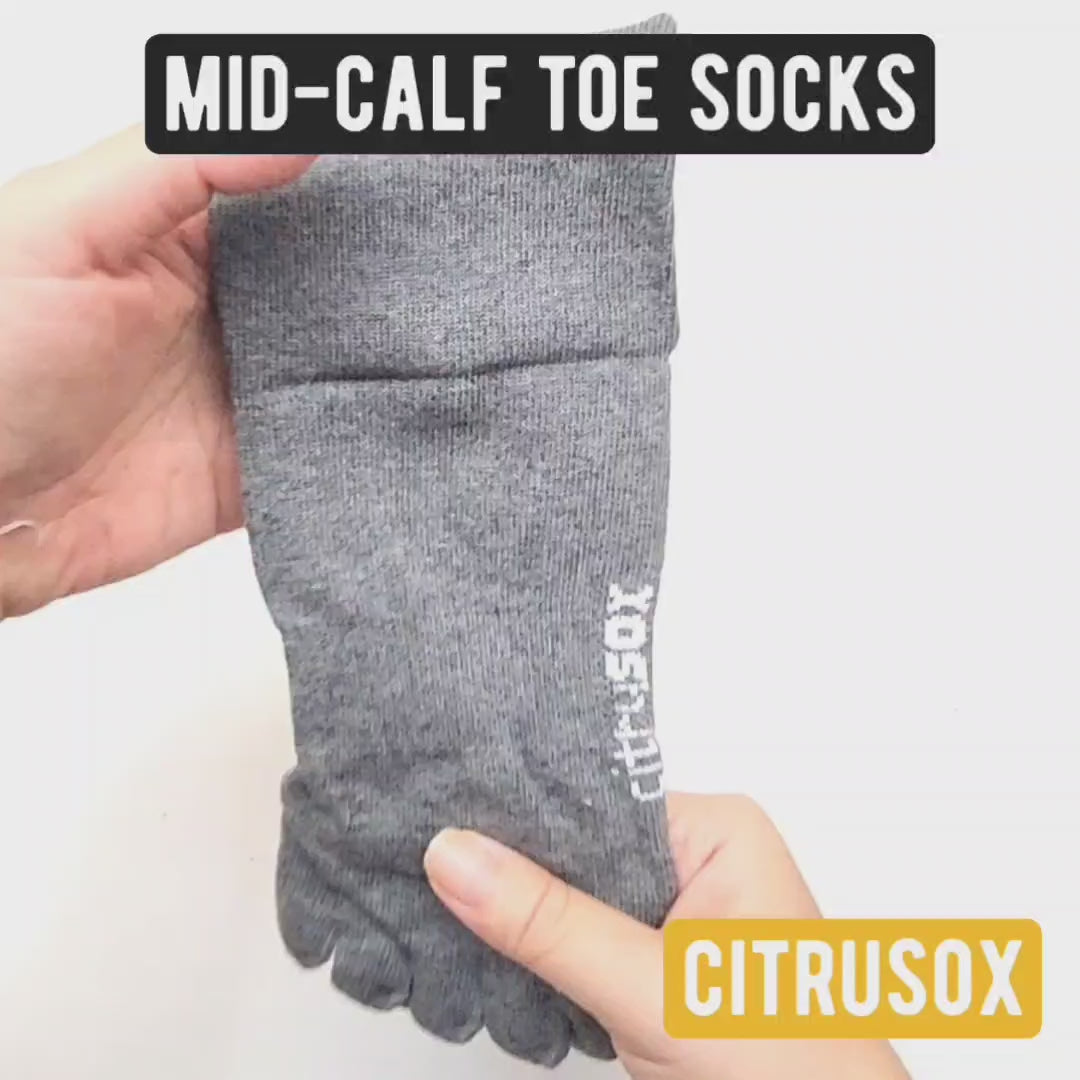
Citrusox stocks sports and everyday socks side by side rather than pushing one material as universally better. The range covers cotton-nylon-spandex toe socks, cotton-polyester grip socks for yoga and pilates, and heel-tab running socks, alongside pure cotton basics. Product pages list exact fiber percentages instead of a vague "moisture-wicking" label, and stores at Junction 8, Plaza Singapura, and JEM let socks get tried on before buying.
Conclusion
Nylon wins on sweat and friction, cotton wins on softness for slower days. Build a sock drawer around activity rather than one fiber preference, and check the label's percentages before trusting a "performance" claim on the packaging. Browse Citrusox's nylon socks and cotton socks collections to compare blends by activity before the next workout!