

The Complete Guide to Compression Socks for Men and Women

Compression socks work by squeezing tightest at the ankle and gradually loosening toward the calf, which pushes blood back up toward the heart instead of letting it pool. Mild pairs (8 to 15 mmHg) suit everyday wear and travel, while medical grade pairs (20 mmHg and above) are usually reserved for diagnosed circulation issues and should be picked with a doctor's input. Most people who stand or sit for long stretches notice less end of day swelling within the first few wears.
Long shifts on your feet, long haul flights, or long hours at a desk all do the same thing to your legs: blood settles in the lower half of the body and the muscles that normally pump it back up barely get used. Citrusox sells compression socks built for exactly that problem, in ranges suited to office wear, sport, and travel. The rest of this guide covers how they actually work, what separates the men's and women's ranges, and what the research says about them.
What Do Compression Socks Actually Do for Circulation
Compression socks apply graduated pressure, tightest at the ankle and easing off toward the knee, which helps venous blood move upward against gravity rather than backing up in the lower leg. A 2021 evidence based consensus statement from the International Compression Club found medical compression stockings to be a standard, non-invasive treatment option for venous and lymphatic disease, with the panel grading the evidence for symptom relief and oedema prevention as moderately robust. The effect is mechanical rather than medicinal. Nothing is being absorbed through the skin, the sock is simply doing part of the job your calf muscles usually do.
Compression Socks for Men vs Compression Socks for Women, What Is Different
The compression mechanics are identical, so the split mostly comes down to fit and cut. Citrusox runs separate men's and women's lines rather than unisex sizing, which matters because calf width, ankle circumference, and foot length distributions differ enough to change how a sock sits.
- Women's ranges tend to run in narrower calf and ankle bands, often paired with lower cut or no show styles for office flats
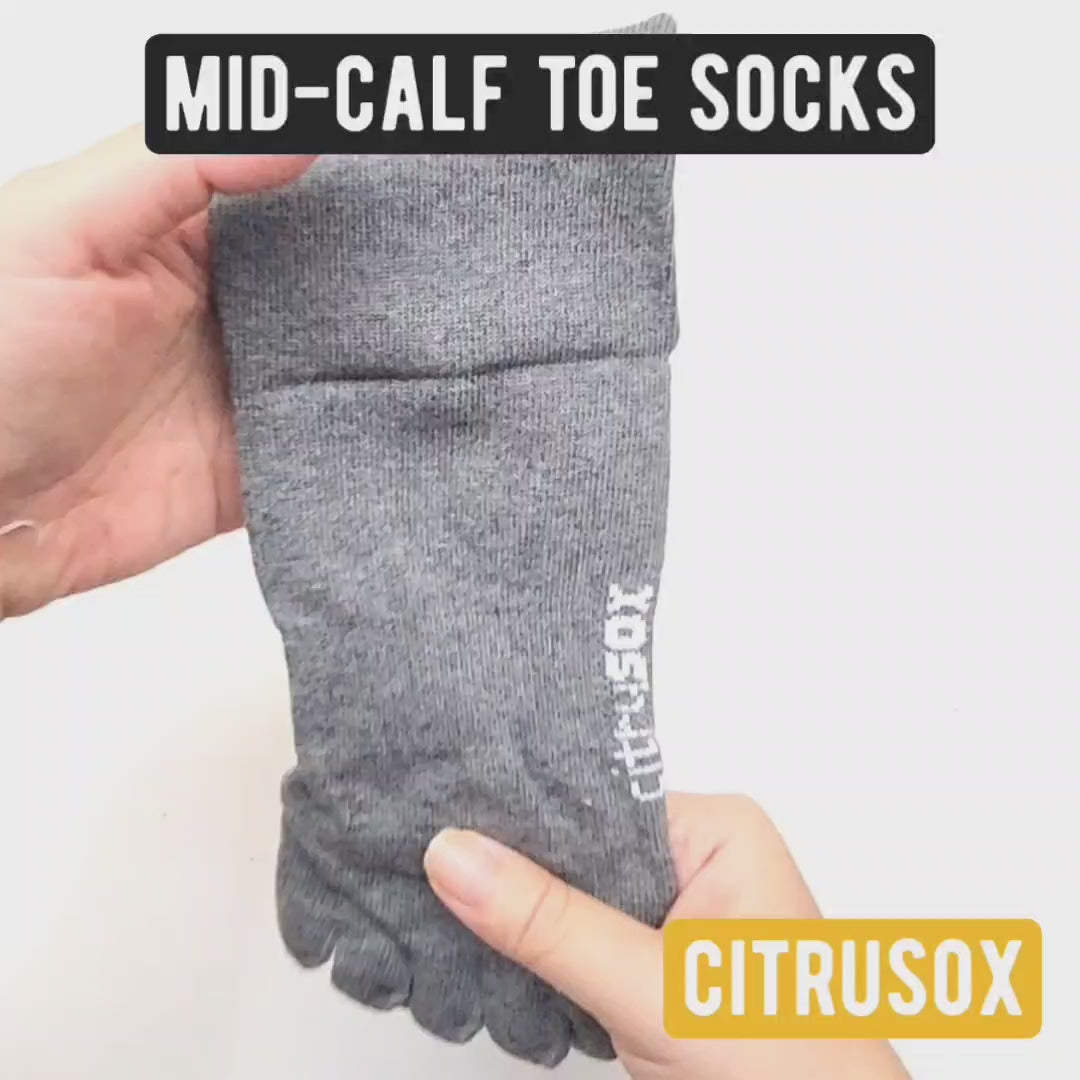
- Men's ranges lean toward mid calf and knee high lengths that pair with dress socks or athletic shoes
- Both ranges use similar fabric blends, commonly cotton or nylon mixed with spandex for stretch and shape retention
Buying the size that matches your foot length rather than shoe size is the more common fitting mistake, and it is worth checking before you order a full pack.
What mmHg Level of Compression Is Right for You
Compression is measured in millimeters of mercury, or mmHg, and the number tells you how much pressure the sock applies at the ankle. Research summarized by Tallahassee Memorial HealthCare puts mild compression at 8 to 15 mmHg, moderate at 15 to 20 mmHg, and medical grade compression at 30 to 40 mmHg for more severe conditions. A separate meta-analysis of eleven randomized trials found that compression in the 15 to 20 mmHg range showed measurable benefit for oedema and symptoms compared with under 10 mmHg or no compression, with little added benefit above 20 mmHg for most wearers. In practice, that means most healthy adults do not need to reach for the highest number on the shelf. Anyone with diagnosed varicose veins, deep vein thrombosis history, or diabetes should get a mmHg recommendation from a doctor rather than guessing.
Best Compression Socks for Standing All Day in Singapore's Heat
Humidity changes what a compression sock needs to do beyond just squeezing the leg. Retail staff, nurses, and F&B workers on their feet for eight to ten hour shifts in Singapore's climate need a pair that manages sweat as much as it manages circulation.
- Cotton and nylon blends with spandex breathe better through a full shift than pure synthetic knits
- No show or low cut styles work under flats and loafers for office and retail floors without showing above the shoe line
- Silicone heel grips keep the sock from sliding down inside closed shoes over a long shift, a common complaint with looser compression pairs
A pair that fits snugly but not painfully at the ankle, with a heel grip that actually holds, tends to outlast the cheaper alternatives sold without graduated compression at all.
Are Compression Socks Safe to Wear on Long Haul Flights
Yes, and this is one of the better documented uses. Reduced mobility during a flight is a known risk factor for blood pooling in the calves, and the Tallahassee Memorial guide notes compression socks are often recommended for people at risk of DVT, particularly after surgery or during long periods of immobility such as flights. Mild to moderate compression, in the 15 to 20 mmHg range, is generally the level recommended for otherwise healthy travelers rather than the higher medical grades. Anyone with a personal or family history of blood clots should still check with a doctor before a long flight regardless of sock choice.
What Do Reviews and Doctors Say About Compression Socks
Clinical opinion on compression socks is more settled for some conditions than others, which is worth knowing before buying based on a single glowing review. The same PMC review found strong evidence supporting compression stockings for preventing and treating venous leg ulcers, but weaker and sometimes contradictory evidence for uncomplicated varicose veins, to the point where UK guidance body NICE has recommended against using them as a primary treatment for varicosities alone. On the customer side, feedback across Singapore retail directories tends to focus less on medical outcomes and more on comfort through a full workday and whether the sock holds its shape after repeated washes, both areas covered in Citrusox's product listings for its compression range. For circulation support during travel or long shifts, the evidence and the everyday reviews broadly agree. For treating a diagnosed vein condition, a doctor's input still matters more than either.
Why Choose Citrusox
Citrusox stocks separate men's and women's compression ranges rather than a single unisex cut, which addresses the fit differences that affect how evenly a sock compresses the leg. The range spans mild everyday wear through athletic and travel focused socks, with fabric blends chosen for Singapore's humidity rather than imported straight from cooler markets. Sizing and material details are listed on each product page, which makes it easier to match a pair to shift length, activity, or flight duration before buying.
Conclusion
Compression socks work through simple mechanics, not magic, and the research backs that up: graduated pressure helps blood move against gravity, mild to moderate levels cover most everyday needs, and higher medical grade compression is a conversation for a doctor rather than a shelf decision. Fit matters as much as the mmHg number on the label, which is why checking foot length and calf width before ordering saves a return later.