

The Benefits of Plain Cotton Socks for Everyday Wear

Plain cotton socks remain the most practical choice for everyday wear because cotton is naturally breathable, soft against skin, and highly absorbent, which matters when your feet spend eight hours or more inside shoes. They suit sensitive skin better than most synthetics, they wash easily, and their plain colors pair with office wear, school uniforms, and sneakers alike. The main trade off is that cotton holds moisture during intense exercise, so they work best for daily routines rather than long runs.
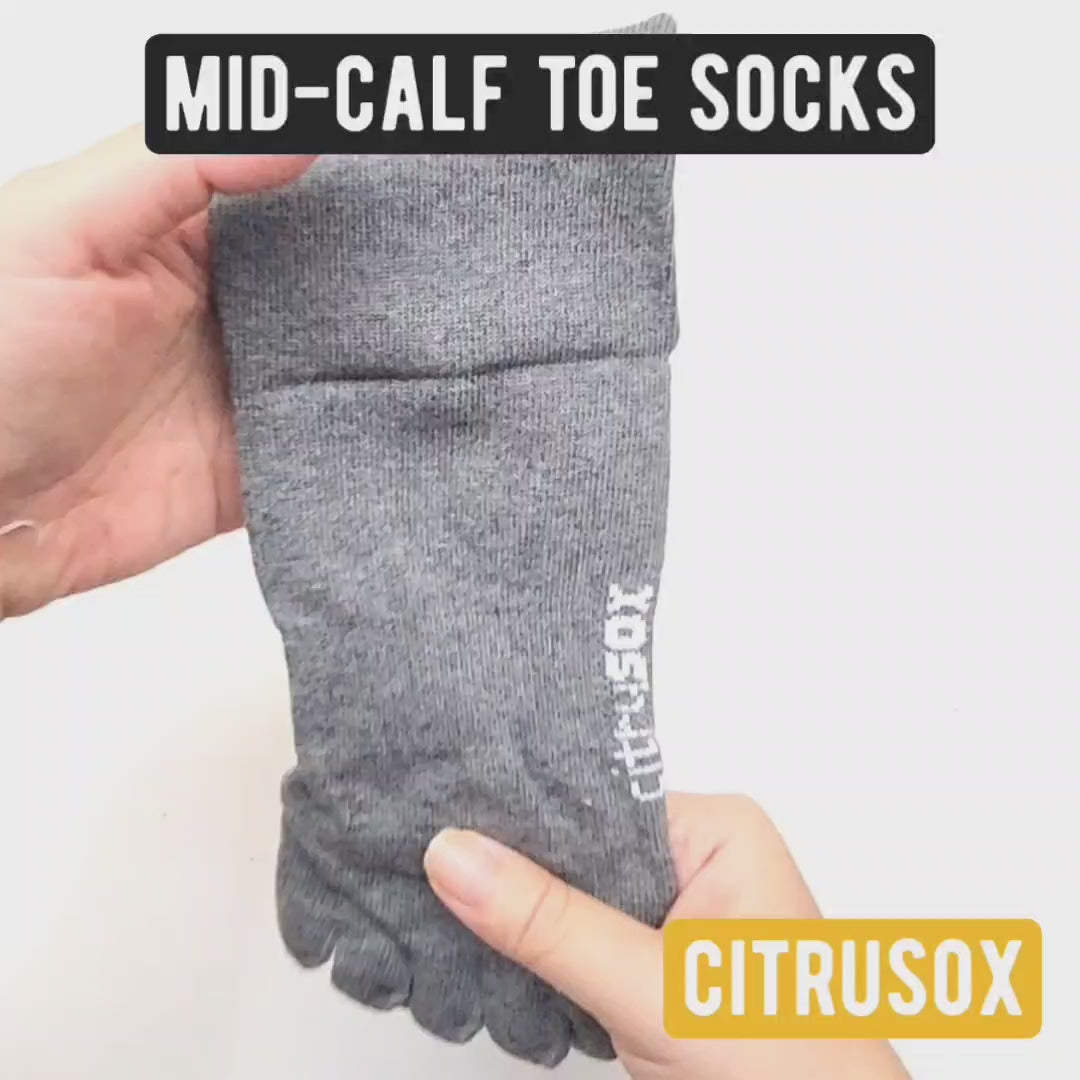
Most people do not think much about socks until a pair fails them, usually by mid afternoon in a warm shoe. That is exactly why the humble plain cotton pair deserves a closer look, because material choice affects comfort more than price or brand ever will. Retailers such as Citrusox stock plain cotton socks in a wide range of cuts and colors for women, men, and kids, which reflects how much steady demand this basic style still commands. This article covers what cotton does well, where it falls short, and what to check before buying your next few pairs.
What are the Benefits of Wearing Plain Cotton Socks Every Day?
Cotton earns its place in the sock drawer through a handful of properties that synthetics struggle to copy. Here is what you actually get from a decent pair.
- Breathability that lets air circulate around the foot, keeping skin cooler through long days in enclosed shoes
- High absorbency, since cotton can hold up to 27 times its weight in water according to Cotton Incorporated, which pulls perspiration off the skin
- Softness that reduces friction and chafing, especially useful around the heel and toe seams
- Easy washing and drying at home with no special care, unlike wool
- Plain colors that match nearly everything, from formal trousers to gym shorts
None of these benefits is dramatic on its own, but stacked together they explain why cotton has stayed the default everyday sock material for decades.
Why Do Plain Cotton Socks Feel More Comfortable Than Synthetic Options?
Comfort comes down to fiber behavior. Cotton is hydrophilic, meaning its cellulose structure actively attracts and draws in moisture through capillary action, while polyester and nylon repel water and can leave sweat sitting on the skin. Add cotton's natural softness and you get a sock that feels dry and gentle for ordinary daily use, which is why so many people default to it without thinking.
Are Plain Cotton Socks a Good Choice for Sensitive Skin?
Yes, and there is proper testing behind this rather than just marketing. In a Cotton Incorporated clinical study, cotton samples produced no irritation response in a patch test across more than 200 participants, including people with sensitive skin. Dermatologists commonly recommend cotton for this reason, and plain undyed or lightly dyed pairs carry even less risk of reaction than heavily printed ones.
How Do Cotton Socks Hold Up in Hot and Humid Weather All Year?
Humid climates are where sock material stops being a trivial detail. Cotton does some things well here and one thing poorly, so it pays to know both sides.
- Absorption works in your favor during normal daily activity, soaking up perspiration before it pools inside the shoe
- Breathability keeps feet noticeably cooler than nylon or polyester in the same shoe
- Thinner knits dry faster and trap less moisture, so lightweight cotton beats thick cushioned cotton in the heat
- Rotation matters, since a fresh pair midday makes a real difference if your feet sweat heavily
- Blends with a small percentage of spandex or nylon keep the fit snug without losing cotton's cooling effect
For commutes, office days, and errands in tropical heat, a light plain cotton pair is hard to beat, provided you let each pair dry fully between wears.
What Should Socks for Women and Men Include for Daily Comfort and Fit?
The label tells you most of what you need. Look for a cotton content of roughly 75 to 85 percent with a little spandex for stretch, since pure 100 percent cotton can lose shape after repeated washing. Sizing matters too, because socks for women typically run 22 to 25 cm and socks for men 25 to 28 cm, and a pair that bunches under the arch will cause blisters no matter how good the fiber is.
When are Plain Cotton Socks Not the Best Choice for Your Feet?
Honesty helps here: cotton is a poor choice for running and intense sport. Textile testing shows cotton retains far more moisture than polyester, with a moisture regain of roughly 7 to 8 percent versus under half a percent for polyester, so a soaked cotton sock stays damp inside a shoe and raises blister risk. Keep cotton for daily wear and reach for a wicking blend or merino pair when you train hard.
Why Choose Citrusox?
Citrusox has been selling socks in Singapore since 1997, with retail kiosks at Junction 8, Plaza Singapura, and JEM alongside an online store. The range covers plain cotton socks across most cuts, from no show and ankle to mid calf and knee length, in sizes for women, men, and kids, with most pairs priced between $5.90 and $8.90. Local delivery costs $2 within Singapore and becomes free on orders above $50, which makes restocking a few pairs at a time practical.
Conclusion
Plain cotton socks are not exciting, and that is rather the point. A material that breathes, absorbs sweat, treats sensitive skin gently, and survives hundreds of washes covers what most feet need on an ordinary day. Know its one real limit, keep the running blends for running, and a drawer of plain cotton pairs will quietly do its job for years.
Choosing well comes down to checking the cotton percentage, getting the size right, and buying from a seller that actually specializes in socks. If you are ready to refresh your everyday rotation, get in touch with Citrusox today to find the right plain cotton pairs for your daily routine!