

Are Wool Socks Suitable for Hot Weather? What You Need to Know

Wool socks can suit hot weather, but only the right kind. Thin merino wool wicks sweat, dries faster than cotton, and resists odor, which keeps feet cooler and drier in humid heat. Thick, traditional wool socks trap moisture and should be skipped. For Singapore's climate, lightweight merino is the sensible choice.
Wool has a reputation problem. Most people file it under cold-weather gear, picture thick winter socks, and assume it has no place near a tropical afternoon. That assumption is mostly wrong, and the reason comes down to fiber type and sock weight rather than wool itself. Citrusox stocks merino-based options precisely because the right wool sock behaves very differently from the bulky kind people imagine. So before writing off wool socks for hot weather, it helps to understand what the fiber actually does once feet start to sweat.
Are Wool Socks Suitable for Hot Weather?
The short answer is yes, with one condition: the weight and grade of the wool matter more than the season. Merino wool regulates temperature in both directions, releasing heat when feet warm up and holding it when they cool, which is why hikers and runners wear it year-round. The fiber also pulls moisture vapor off the skin before sweat has a chance to pool, so feet stay drier than they would in many synthetics. Where wool fails is in heavy, old-style knits, which is the version most people picture when they hear the word.
Can You Really Wear Wool Socks When It Is Hot Outside?
You can, and plenty of people in warm climates already do. Thin merino feels closer to a performance athletic sock than a winter one, so the heat is rarely the problem people expect.
How Do Wool Socks Keep Feet Cool When It Is Hot?
Cooling comes from how the fiber handles moisture and air, not from the wool being cold to the touch. A few properties do most of the work:
- Moisture Absorption: Merino can take in roughly 30 to 35 percent of its own weight in moisture before it feels damp, drawing sweat off the skin.
- Faster Drying: Wool releases that moisture into the air as it evaporates, which cools the foot and beats cotton's tendency to stay soggy.
- Thermoregulation: The crimped fiber structure traps small pockets of air, balancing temperature instead of just insulating.
- Odor Control: Natural lanolin in the fiber slows the bacteria that cause smell, useful on long, sweaty days.
Together these traits explain why a thin wool sock can feel cooler than a cotton one in the same heat.
Why Do Wool Socks Feel Cooler Than They Look?
Because the cooling effect comes from evaporation, not insulation. As sweat moves through the fiber and dries, it carries heat away from the skin, the opposite of what a soaked cotton sock does.
Wool Socks vs Cotton Socks in Hot Weather: Which Is Better?
Cotton is the default for hot days, but it has a real weakness: it holds water. Here is how the two compare once feet start sweating:
- Moisture Handling: Wool wicks and releases sweat, while cotton absorbs it and holds it against the skin.
- Drying Speed: Wool dries noticeably faster, whereas damp cotton can stay wet for hours.
- Odor: Wool resists smell naturally; cotton tends to develop it as bacteria grow in the trapped moisture.
- Blisters: Dry feet rub less, so the faster-drying option lowers the risk on long days.
For sweaty feet in humid heat, thin merino usually wins, though good cotton blends still have a place for short, low-sweat wear.
What Type of Wool Socks Work Best in Humid Conditions?
Not every wool sock suits the tropics, and picking the wrong weight undoes the benefit. A few things to look for:
- Merino Grade: Fine merino is softer, thinner, and far less itchy than coarse traditional wool.
- Lightweight: Ultra-light or lightweight knits breathe well; heavyweight hiking socks are overkill in the heat.
- Lower Cut: No-show, ankle, or low-cut styles expose more skin and trap less heat.
- Blended Construction: A little nylon or spandex adds durability and a closer fit without reducing breathability.
The rule of thumb is simple: the thinner and finer the merino, the better it copes with humidity.
Are Wool Socks in Singapore Worth It Year-Round?
Singapore sits near the equator with humidity often above 80 percent and no real winter, so the case for wool socks in Singapore rests on moisture management rather than warmth. Thin merino handles that humidity well, keeping feet drier through a long commute or a full day standing. The phrase winter socks in Singapore is a bit of a misnomer locally, since the demand usually comes from travelers heading somewhere colder or people in heavily air-conditioned offices. For everyday wear in the heat, lightweight wool socks make sense; for genuine winter, thicker pairs are worth packing only when leaving the tropics.
Why Choose Citrusox?
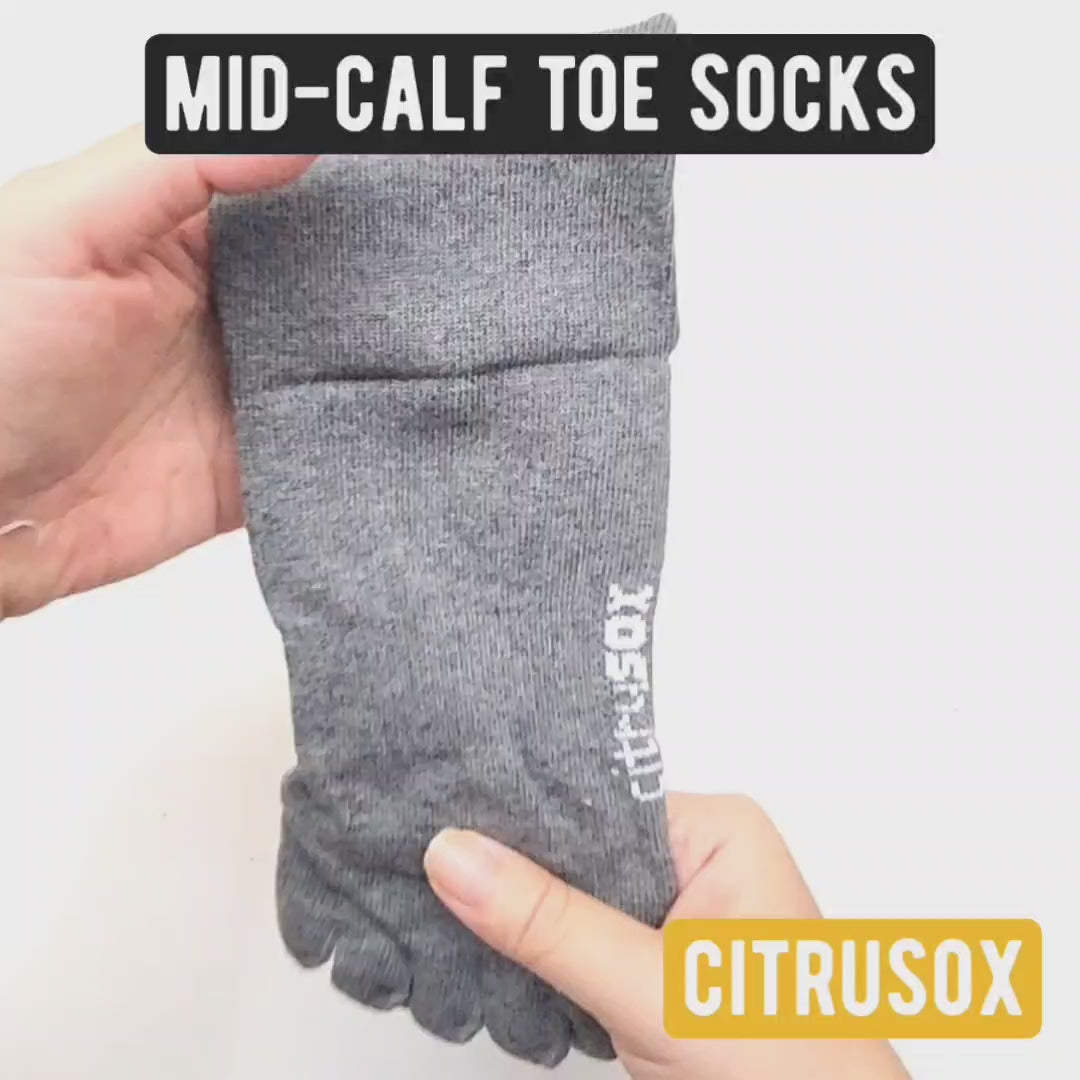
Citrusox is a Singapore-based label offering a wide range of socks and legwear, including merino-based options suited to the country's humid climate. The collection spans no-show, ankle, mid-calf, and sports styles across cotton, wool, bamboo, and other materials, with sizes for women, men, and kids.
Conclusion
Wool socks are not the cold-weather-only choice most people assume. The deciding factor is the fiber and the weight, not the season, and thin merino outperforms cotton in heat by wicking sweat, drying faster, and holding off odor. Heavy traditional knits are the ones to skip when it is hot. For humid conditions, lightweight merino keeps feet drier and more comfortable through a long day.
For anyone weighing wool socks in a tropical climate, the practical move is choosing fine, low-cut merino over bulky pairs, and Citrusox carries options built with exactly that in mind. If you are looking for breathable wool socks suited to Singapore's heat, contact Citrusox today and find a pair that keeps your feet cool and dry!